
Environmental, Reuse & Recycling Policy
Our preferred hierarchy is practical: reuse where suitable, repair or refurbish where viable, recover useful parts where appropriate, and use responsible end-of-life routes when a device cannot reasonably stay in circulation.
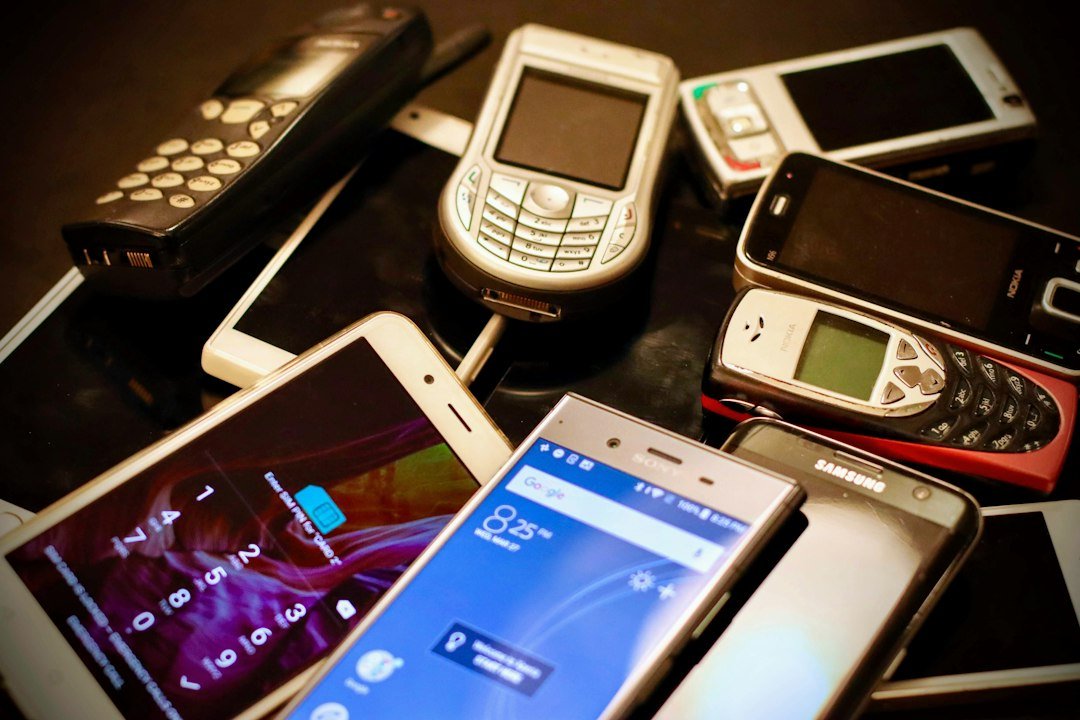
A practical device-life hierarchy
Not every used handset should be treated the same. Condition, safety, ownership status, locks and economic viability all affect the most appropriate route.
Reuse
Suitable working devices may remain in circulation after the necessary condition, ownership and account checks.
Repair & refurbishment
Some damaged devices can be restored where repair is practical and the device can be returned to useful service.
Parts & materials
A non-economic complete repair may still leave usable components or materials with recovery value.
End-of-life devices
Where reuse or repair is not practical, electrical and electronic equipment should be handled through an appropriate recycling route rather than ordinary household disposal.
- Condition and battery safety affect handling.
- Account/ownership issues must still be resolved.
- The practical outcome differs by device and fault.
No blanket environmental claims
We avoid claiming that every phone is refurbished or that every device follows one identical route. A heavily damaged, unsafe or restricted device can require a different outcome.
Why selling a usable phone can help
Phones contain components and materials that have already been manufactured, assembled and transported. Keeping a suitable device useful for longer can delay the point at which it becomes waste. For damaged phones, repair or parts recovery can sometimes preserve useful value that would otherwise be lost.
If your handset is faulty, use the broken phone route and describe the damage honestly so the correct pathway can be assessed.